
Eating Disorder Therapy in Orange County, CA
Build a Healthier Relationship With Food, Your Body, and Yourself
Our relationships with food and our bodies can be complicated. What may begin as an effort to feel healthier, more confident, or in control can sometimes develop into patterns that leave us feeling overwhelmed, disconnected, or consumed by thoughts about eating and appearance.
For some, this may look like rigid food rules, guilt after eating, or feeling anxious around certain foods. For others, it might involve body checking, comparing themselves to others, or feeling that their self-worth depends on their appearance.
At Nourish Your Mind, we provide compassionate, individualized therapy for children, teens, and adults navigating eating disorders, disordered eating, and body image concerns.
Our approach emphasizes understanding the emotional and behavioral patterns surrounding food and body image while helping clients develop greater flexibility, self-compassion, and trust in themselves.
You deserve a relationship with food and your body that allows more room for connection, enjoyment, and meaningful experiences.
In-person therapy in Anaheim + online throughout California
Understanding Eating Disorders and Disordered Eating
When Food and Body Image Begin to Take Up Too Much Space
Eating disorders are complex mental health conditions that can affect individuals of all ages, genders, body sizes, and backgrounds.
Although eating disorders are often associated with visible changes in weight or eating habits, many of the challenges individuals experience happen internally.
You might find yourself constantly thinking about what you've eaten, feeling distressed when routines around food change, or struggling to feel comfortable in your body.
Eating disorders and disordered eating can also involve shame, perfectionism, anxiety, rigid expectations, and a desire for control.
Over time, these patterns may begin to interfere with relationships, social experiences, physical health, emotional well-being, and everyday life.
It's important to recognize that someone does not need to look a certain way or reach a particular level of distress to deserve support.
Therapy offers an opportunity to explore the patterns contributing to these struggles and begin building a more flexible and compassionate relationship with food and body image.
Common Eating and Body Image Concerns We Treat
Eating Disorders Don't Look the Same for Everyone
Struggles with food and body image can take many forms, and not everyone experiences them in the same way.
At Nourish Your Mind, we support individuals navigating concerns such as:
Restrictive Eating and Rigid Food Rules
Feeling pressure to limit certain foods, follow strict eating routines, or make food choices based on fear, guilt, or self-imposed expectations.
Binge Eating and Loss of Control Around Food
Experiencing episodes of eating that feel difficult to control, often accompanied by distress, shame, or attempts to compensate afterward.
Body Image Distress and Body Checking
Feeling preoccupied with appearance, frequently checking mirrors or photographs, comparing your body to others, or allowing body dissatisfaction to influence your daily experiences.
Food Anxiety and Fear of Eating
Feeling overwhelmed by certain foods, eating in front of others, changes in food routines, or situations where food choices feel unpredictable.
Compensatory Behaviors and Exercise Rigidity
Experiencing pressure to compensate for eating through restrictive behaviors, exercise, or other patterns that may become physically or emotionally harmful.
Perfectionism, Control, and Self-Worth
Connecting your sense of worth to your appearance, eating habits, exercise routines, or ability to meet rigid personal expectations.
Eating disorders may also overlap with anxiety, obsessive-compulsive disorder (OCD), depression, and other mental health concerns.
Understanding the purpose these patterns serve, along with their emotional and physical impact, is an important part of developing an individualized treatment plan.
Our Approach to Eating Disorder Treatment
Compassionate, Collaborative, and Evidence-Informed Care
At Nourish Your Mind, we understand that struggles with food and body image are rarely as simple as changing what someone eats or how they think about their appearance.
Treatment begins with understanding your unique experiences, the patterns that may be maintaining distress, and how these challenges affect your relationships, daily life, and personal values.
Our approach is informed by Health at Every Size (HAES) principles, recognizing that individuals of all body sizes deserve respectful, compassionate care without assumptions about their health or worth based on appearance.
Depending on individual needs, treatment may draw from the following approaches:
Cognitive Behavioral Therapy (CBT)
CBT helps individuals explore the connections between thoughts, emotions, and behaviors surrounding food, body image, and self-worth.
Together, we work toward identifying rigid beliefs, recognizing unhelpful behavioral patterns, and developing more flexible ways of responding.
Acceptance and Commitment Therapy (ACT)
ACT focuses on building psychological flexibility and changing our relationship with difficult thoughts and feelings.
Rather than waiting to feel completely comfortable with your body or free from food-related anxiety, we explore ways to make meaningful choices that reflect your values, even when discomfort is present.
Exposure-Based Therapy
For individuals experiencing food-related fears, avoidance, or rigid routines, collaborative exposure-based exercises may help build greater flexibility and tolerance for uncomfortable experiences.
These exercises are thoughtfully planned and adapted to each client's needs, medical status, and treatment goals.
Building Body Image Flexibility and Self-Compassion
Therapy may also focus on reducing body checking and comparison, challenging appearance-based self-worth, developing emotional awareness, and strengthening the ability to respond to yourself with compassion rather than criticism.
Collaborative and Multidisciplinary Support
Eating disorders can affect both mental and physical health. When appropriate, treatment may involve collaboration with medical providers, registered dietitians with eating disorder expertise, psychiatrists, and other members of a client's care team.
The appropriate level of care is determined by each person's needs, including medical and psychiatric considerations.
Our goal is to meet you where you are while helping you move toward a life that feels less restricted by food rules, body image distress, and fear.
Eating Disorder Therapy for Children, Teens, and Adults
Individualized Care for Every Stage of Life
Eating and body image concerns can emerge at different stages of life, and treatment should reflect each individual's developmental needs and experiences.
Children
For children, eating-related difficulties may involve fear around food, rigid eating patterns, distress during meals, or increasing concerns about body image.
Treatment may include parent or caregiver involvement, with an emphasis on understanding the child's needs and supporting appropriate changes at home. Depending on the clinical presentation, specialized family-based eating disorder treatment or a higher level of care may be recommended.
Teens
Adolescence can bring increased exposure to appearance-related expectations, social comparison, athletic pressures, and messages about food and body image.
Therapy provides a supportive space for teens to explore these influences, develop emotional awareness, and work toward greater flexibility around food, body image, and self-worth.
Family involvement and coordination with other healthcare professionals may be important parts of treatment.
Adults
Eating disorders and disordered eating can continue into adulthood or emerge during periods of transition, stress, or significant life changes.
For adults, treatment may focus on long-standing food rules, body dissatisfaction, perfectionism, emotional distress, and patterns that interfere with relationships, work, and everyday experiences.
Regardless of age, our approach emphasizes individualized care, collaboration, and respect for each person's experiences.
Specialized Eating Disorder Treatment at Nourish Your Mind
Shannon Dávila, LMFT
Owner & Lead Therapist
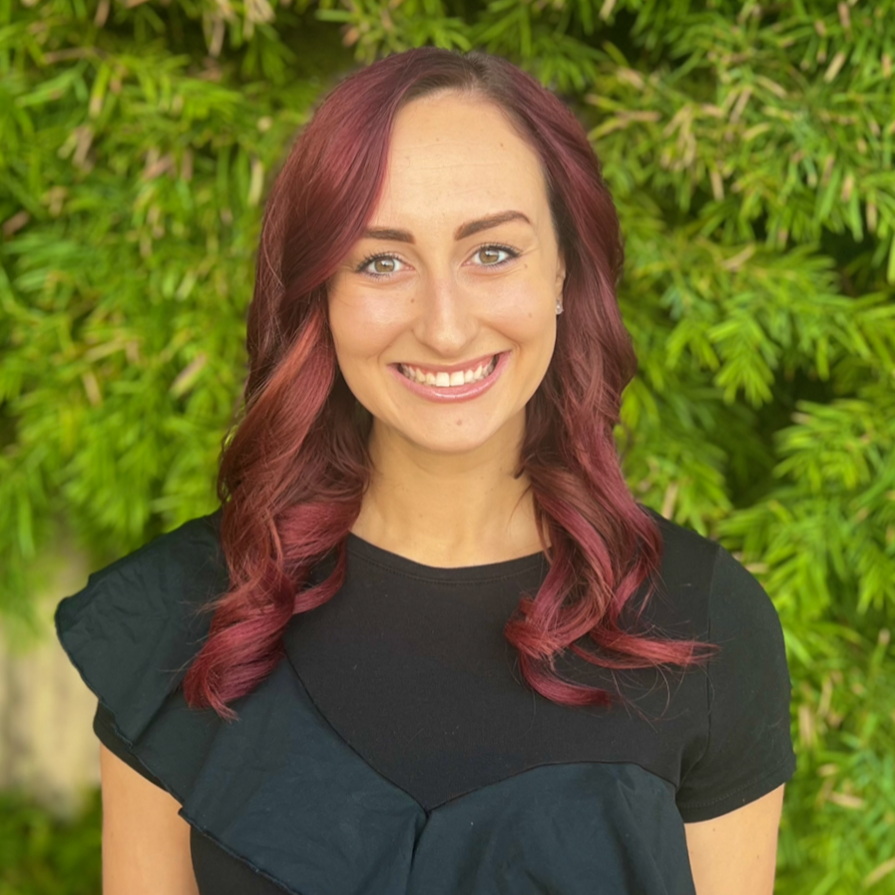
Specializes in OCD, Anxiety & Eating Disorders
Trained in ERP, CBT & ACT
Active member of the International OCD Foundation (IOCDF)
Active member of the California Association of Marriage and Family Therapists (CAMFT)
Eating Disorder Therapy in Anaheim and Throughout California
Nourish Your Mind
6200 East Canyon Rim Road, Suite 215-F
Anaheim, CA 92807
In-Person and Virtual Therapy Options
Nourish Your Mind offers in-person eating disorder therapy in Anaheim, California, serving individuals and families throughout Orange County and surrounding communities.
We also provide secure telehealth sessions for clients located throughout California when virtual treatment is clinically appropriate.
Whether you're navigating persistent body image concerns, anxiety surrounding food, or patterns of disordered eating that feel difficult to change, therapy can offer a space to explore your experiences with compassion and curiosity.
Because eating disorders can have significant medical consequences, some individuals may benefit from coordinated medical and nutritional care or a more intensive treatment setting.
Together, we can explore your needs and whether outpatient therapy at Nourish Your Mind is an appropriate fit.
Frequently Asked Questions About Eating Disorder Therapy
-
You don't need to have a formal eating disorder diagnosis to benefit from support. If thoughts about food, eating, exercise, weight, or appearance are causing distress or interfering with your daily life, it may be helpful to explore these patterns with a qualified professional. Eating disorders can occur at any body size, and medical concerns may be present even when they aren't outwardly visible.
-
Disordered eating is a broad term that describes eating-related thoughts and behaviors that may be rigid, distressing, or disruptive. An eating disorder is a diagnosable mental health condition involving specific patterns of symptoms and impairment. Both deserve attention, and an assessment can help determine what type of support is appropriate.
-
At Nourish Your Mind, treatment is not centered on pursuing weight loss or achieving a particular appearance. Our approach emphasizes emotional well-being, behavioral flexibility, and a more compassionate relationship with food and your body. When medical or nutritional concerns are present, we encourage collaboration with appropriately trained healthcare professionals.
-
Yes. Eating disorders, anxiety, and OCD can share features such as perfectionism, rigid thinking, fear, avoidance, and repetitive behaviors. However, the motivations behind these patterns may differ. Understanding these distinctions helps inform treatment and determine which interventions may be most helpful.
-
Yes. Telehealth can be appropriate for some individuals receiving outpatient eating disorder treatment. However, the suitability of virtual therapy depends on factors such as medical stability, symptom severity, available support, and the need for coordinated care. Nourish Your Mind offers virtual sessions throughout California when telehealth is clinically appropriate.
Take the Next Step Toward a Healthier Relationship With Food and Your Body
You don't have to wait until your struggles feel severe enough to deserve support.
Whether you've been navigating difficult patterns around food and body image for years or have recently noticed these concerns taking up more space in your life, therapy can provide an opportunity to better understand your experiences and begin making meaningful changes.
At Nourish Your Mind, we believe that healing involves more than changing behaviors. It's also about building compassion, developing flexibility, and creating more room for the experiences and relationships that matter to you.
Ready to get started?
Reach out to schedule a free 15-minute consultation and learn more about eating disorder therapy at Nourish Your Mind.
In-person in Anaheim • Online throughout California